Wednesday, January 22, 2025

Buffet woodworking ideas for creating a centerpiece furniture item

Buffet Woodworking: Crafting a Show-Stopping Centerpiece

Okay, so you're thinking about building a buffet? Awesome! A buffet isn't just storage; it's a statement piece, a conversation starter, a focal point in your dining room (or wherever you decide to put it!). It's a chance to show off your woodworking skills and create something truly special. And let me tell you, the possibilities are endless! Let's dive into some ideas to get those creative juices flowing.

Style and Design Considerations

Before you even think about picking up a saw, you need a vision. What kind of buffet are we talking here? Are we going for rustic charm, sleek modern minimalism, or something completely unique? This will dictate your wood choice, hardware, and overall design.

Rustic Charm

Think reclaimed wood, maybe some slightly distressed finishes. A chunky, substantial build with visible joinery would be perfect here. Imagine a buffet made from old barn wood, with iron hardware and maybe even some exposed wood pegs instead of screws. The imperfections are part of the charm! You could even incorporate some live-edge elements for a truly natural look.

Sleek Modern Minimalism

This is all about clean lines, simple shapes, and high-quality materials. Think smooth, polished surfaces, perhaps a minimalist handle design, or even handleless doors. Woods like walnut, cherry, or even a beautifully stained maple would be ideal. The focus is on the quality of the wood and the precision of the craftsmanship. Keep the color palette neutral to emphasize the elegance of the piece.

Mid-Century Modern

This style offers a fun blend of functionality and design. Tapered legs, clean lines, and the use of lighter woods like birch or maple with perhaps some walnut accents can create a gorgeous buffet. Think about incorporating angled legs or unique drawer pulls that echo the era's design sensibilities. This style is all about balancing simplicity with a touch of playful sophistication.

Shaker Style

Known for its simple elegance and clean lines, a Shaker-style buffet would be a beautiful addition to any home. Think simple door and drawer construction, with minimal ornamentation. The beauty lies in the quality of the wood and the precision of the joinery. Use solid wood, and consider a natural or subtly toned finish to let the wood grain shine through.

Wood Selection: The Heart of Your Buffet

Choosing the right wood is crucial. It will affect the look, feel, and durability of your buffet. Consider these factors:

  • Hardwoods vs. Softwoods: Hardwoods are generally more durable and expensive, but offer a more refined look. Softwoods are more affordable, but may not be as resistant to wear and tear. Think oak, cherry, walnut, maple for hardwoods; pine, fir, cedar for softwoods.
  • Color and Grain: The color and grain pattern of the wood will significantly influence the overall aesthetic. Do you prefer a warm, reddish tone, or a cooler, lighter shade? A busy grain or a more subtle one?
  • Availability and Cost: Some woods are more readily available and affordable than others. Consider your budget and the accessibility of the wood you choose.

Construction Techniques: Getting Your Hands Dirty

Now for the fun part! The construction techniques you employ will impact both the look and the strength of your buffet. Here are a few to consider:

  • Dovetail Joints: These are classic joinery techniques that offer exceptional strength and visual appeal. They add a touch of elegance, especially in a traditional-style buffet.
  • Mortise and Tenon Joints: Another strong and traditional joint, offering clean lines and excellent stability. These are a bit more challenging than butt joints but definitely worth the effort for a quality piece.
  • Butt Joints: Simpler to execute than dovetails or mortise and tenons, but require strong reinforcement, like dowels or screws. Suitable for less visible areas or when working with a modern, minimalist design that doesn't prioritize exposed joinery.

Remember to plan your construction carefully, using accurate measurements and well-thought-out joinery. A well-constructed buffet will last for generations.

Adding the Finishing Touches

The finishing touches are where you can really personalize your buffet. Consider:

  • Hardware: Knobs, pulls, hinges â€" these details can dramatically change the look of your buffet. Choose hardware that complements your chosen style.
  • Finish: A clear finish will highlight the natural beauty of the wood, while a stained finish will allow you to change the color and tone. Consider using a protective sealant to ensure the durability of your buffet.
  • Optional Features: Think about adding things like wine racks, spice racks, or even a built-in cutting board. These additions can transform your buffet into a truly multi-functional piece.

Beyond the Basics: Unique Buffet Ideas

Want to go beyond the standard buffet? Here are some unique ideas to get you inspired:

  • Built-in Bar: Incorporate a section specifically designed for storing liquor and barware.
  • Hidden Compartments: Add secret storage for items you want to keep out of sight.
  • Integrated Lighting: Under-cabinet lighting can add a touch of elegance and make it easier to see the contents of the buffet.
  • Customizable Shelving: Allow for adjustable shelving to accommodate items of varying heights.

Frequently Asked Questions

Q: What tools do I need to build a buffet?

A: That depends on the complexity of your design, but you'll likely need saws (circular saw, hand saw, possibly a jigsaw), a planer, a sander, clamps, measuring tools, chisels (if doing intricate joinery), and woodworking glue.

Q: How long does it take to build a buffet?

A: This varies drastically depending on the size, complexity, and your experience. A simple design might take a few weekends, while a more intricate buffet could take several weeks or even months.

Q: Can I build a buffet without prior woodworking experience?

A: Yes, you can! Start with a simpler design and take your time. There are many resources available online and in libraries to guide you through the process. Don't be afraid to start small and gradually build your skills.

Q: How much will it cost to build a buffet?

A: The cost varies greatly depending on the materials and your design. Reclaimed wood will be more expensive than new lumber. Complex joinery will require more time and potentially more specialized tools. Factor in the cost of hardware, finish, and any additional features.

Q: Where can I find plans for building a buffet?

A: You can find many plans online (look for reputable sources!), in woodworking magazines, or in woodworking books. You can even design your own plan based on existing designs or your unique ideas!

Building a buffet is a rewarding project. It allows you to create something beautiful, functional, and entirely your own. Don't be afraid to get creative and have fun with it! Good luck, and happy woodworking!

Country-style bench woodworking plans for cozy seating

Build Your Own Cozy Country-Style Bench: A Woodworking Project for Beginners (and Beyond!)

Hey there, fellow woodworkers and DIY enthusiasts! Are you dreaming of a charming, rustic bench to add a touch of cozy country style to your porch, garden, or even your living room? Well, you're in luck! This guide will walk you through building your own country-style bench, step by step. Even if you're a complete newbie to woodworking, don't worry â€" I'll keep things simple and straightforward. Let's get started!

Choosing Your Materials: The Heart of Your Project

The beauty of a country-style bench lies in its rustic charm. You don't need the most expensive lumber; in fact, reclaimed wood can add a unique character to your project. Think about what kind of vibe you're going for. A weathered, grayed look? Or something a little more polished? This will inform your wood choices.

Wood Types to Consider:

Here are a few popular choices:

  • Pine: Affordable, readily available, and relatively easy to work with. It's a great option for beginners.
  • Cedar: Naturally resistant to rot and insects, making it ideal for outdoor benches. It also has a lovely aroma.
  • Reclaimed Wood: Gives your bench a unique, one-of-a-kind character. Think old barn wood, pallets (ensure they're treated properly!), or even salvaged lumber from demolition projects. Just be sure to check it for any nails or screws before you start.
  • Oak: A classic, durable hardwood. It's more expensive and harder to work with than pine, but it will last for ages.

Hardware & Supplies:

Besides the wood, you'll also need:

  • Wood screws: Choose exterior-grade screws if your bench will be outdoors.
  • Wood glue:
  • Sandpaper (various grits): For smoothing surfaces and removing splinters.
  • Measuring tape and pencil:
  • Saw (circular saw, hand saw, or jigsaw): Choose the saw you're most comfortable using.
  • Drill and drill bits:
  • Clamps:
  • Safety glasses and dust mask:
  • Wood stain or paint (optional): To protect and enhance the look of your bench.
  • Polyurethane or varnish (optional): For weather protection (especially important for outdoor benches).

Building Your Country Bench: A Step-by-Step Guide

Okay, let's dive into the actual construction. I'm going to outline a fairly simple bench design, but feel free to adapt it to your own preferences and skill level. This plan focuses on a basic design, but you can always add decorative elements like curved legs or a backrest later!

Step 1: Cutting the Wood

First things first, you need to cut your lumber to the desired dimensions. Measure twice, cut once! This is where accurate measurements are crucial. Your measurements will depend on the size of the bench you want. I recommend making a simple sketch first and noting the dimensions of each piece: seat boards, legs, supports, etc. This prevents confusion later.

Step 2: Assembling the Legs and Supports

Depending on your bench design, you'll likely have four legs and some sort of support structure connecting them. You can use either a simple stretcher design (horizontal supports between the legs), or a more elaborate design if you’re feeling ambitious! Use wood glue and screws to securely fasten the pieces together. Clamps will be your best friend here to ensure a tight and even join.

Step 3: Attaching the Seat

Once the leg assembly is complete and secure, you can attach the seat boards. These should be spaced evenly and securely fastened to the supports with wood glue and screws. Make sure the screws are countersunk (slightly recessed) so they don't snag clothing.

Step 4: Sanding and Finishing

This is the part where your bench starts to look really nice! Sand all surfaces thoroughly, starting with a coarser grit sandpaper and gradually moving to a finer grit to achieve a smooth finish. Pay attention to any corners or edges that might be rough. Then, apply your chosen stain, paint, or sealant according to the manufacturer's instructions. Let it dry completely before moving the bench to its final location.

Adding Your Personal Touch: Beyond the Basics

This basic design is a great starting point, but don't be afraid to personalize your bench! Here are some ideas:

  • Add a backrest: This will increase comfort and add a nice aesthetic touch.
  • Carve decorative elements: If you’re feeling adventurous, you could carve simple patterns or designs into the wood.
  • Incorporate different wood types: For example, you could use a contrasting wood for the seat or backrest.
  • Add a shelf underneath: A perfect spot for storing cushions or gardening tools.
  • Use different finishes: Experiment with different stains, paints, or sealants to achieve the desired look.

Frequently Asked Questions (FAQs)

Let’s tackle some common questions:

  • Q: How long does it take to build a country-style bench? A: This depends on your experience and the complexity of the design. A simple bench like the one described above could be completed in a weekend, while a more elaborate design might take longer.
  • Q: What's the best way to prevent the wood from rotting outdoors? A: Use exterior-grade wood, apply a high-quality waterproof sealant, and ensure proper drainage around the bench to prevent water accumulation.
  • Q: Can I use pre-cut lumber? A: Absolutely! Pre-cut lumber will save you time on the cutting stage. Just be sure to check the dimensions carefully before purchasing.
  • Q: What if I make a mistake? A: Don't worry, everyone makes mistakes! Woodworking is a learning process. If you make a significant error, you may need to start over, but minor imperfections can often be sanded down or covered up.
  • Q: Where can I find woodworking plans? A: You can find free plans online (search "country style bench plans"), or you can buy plans from woodworking websites or magazines.

I hope this guide has inspired you to build your own cozy country-style bench! Remember, the most important thing is to have fun and enjoy the process. Happy woodworking!

Free downloadable plans for contemporary kitchen furniture

A Comprehensive Guide to Free Downloadable Plans for Contemporary Kitchen Furniture

The contemporary kitchen stands as a testament to modern design principles, prioritizing functionality, minimalism, and clean lines. Constructing your own contemporary kitchen furniture offers a rewarding experience, allowing for personalized design choices and significant cost savings. This comprehensive guide explores the availability and utilization of free downloadable plans for various contemporary kitchen furniture pieces, providing a detailed overview of the resources available, considerations for successful project completion, and essential tips for navigating the world of DIY kitchen design.

Locating Free Downloadable Plans: A Resource Exploration

Finding free, high-quality downloadable plans for contemporary kitchen furniture requires a strategic approach. While a simple Google search might yield numerous results, carefully vetting the sources is crucial. Many websites offer free plans, but the quality and detail can vary significantly. Some plans might be incomplete, lack crucial dimensions, or employ unconventional joinery techniques, potentially leading to project failures.

Reputable Online Platforms

Several reputable online platforms specialize in providing woodworking plans, some of which offer free options, albeit often with limited selection. These platforms frequently include user reviews, allowing you to assess the plan's quality and accuracy before downloading. Always check the comments section; user feedback can highlight potential issues or offer valuable insights into the construction process.

  • Ana White: A well-known resource for DIY furniture plans, Ana White offers a variety of free plans, though contemporary kitchen designs might require careful searching within her extensive catalog. Her plans are generally well-documented and include detailed instructions and cutting lists.
  • Instructables: This community-based platform allows users to share their projects, including woodworking plans. While the quality can be inconsistent, searching for "contemporary kitchen cabinets" or similar terms can yield promising results. Remember to carefully review user ratings and comments.
  • Hometalk: Similar to Instructables, Hometalk features user-submitted projects and plans. Utilizing relevant keywords and filtering by project ratings can help identify reliable plans.
  • Pinterest: Although not a direct source of plans, Pinterest serves as a valuable visual search engine. Searching for "free contemporary kitchen cabinet plans" or similar terms can lead to websites and blogs offering downloadable plans.
  • Considerations When Selecting Plans

    Selecting appropriate plans necessitates careful consideration of various factors. Ignoring these aspects can lead to frustration and project failure. The following points are crucial when choosing free downloadable plans:

  • Detailed Dimensions and Drawings: Ensure the plans include accurate and detailed dimensions, including material thickness, measurements for all components, and clear assembly diagrams. Ambiguous or incomplete drawings can hinder construction.
  • Material Specifications: The plans should clearly specify the type and quantity of materials required. Pay close attention to wood species, hardware, and finishes to ensure compatibility with your project vision and budget.
  • Joinery Techniques: Evaluate the complexity of the joinery techniques used. Beginners might find simpler methods (such as pocket holes or dowels) more manageable than intricate joinery techniques.
  • Assembly Instructions: Clear and concise assembly instructions are paramount. The plans should guide you through each step of the building process, ideally with accompanying images or diagrams.
  • User Reviews and Feedback: Always check for user reviews and feedback on the chosen plans. This can provide valuable insights into potential challenges or modifications needed.
  • Essential Considerations for Successful Project Completion

    Beyond selecting appropriate plans, successful project completion depends on meticulous planning and execution. Several key aspects warrant attention to ensure a high-quality outcome.

    Material Selection and Procurement

    Selecting appropriate materials is crucial for both aesthetic appeal and structural integrity. Consider using high-quality wood species that are known for their durability and resistance to moisture and damage. Precisely measuring and procuring materials according to the plan specifications will help minimize waste and ensure the project aligns with the design.

    Tool Selection and Preparation

    Having the necessary tools is essential for smooth progress. Based on the joinery techniques specified in the plan, assemble a comprehensive toolset. This could include saws (circular saw, miter saw, jigsaw), drills, sanders, clamps, and various measuring instruments. Ensuring the tools are in good working order and well-maintained will prevent delays and ensure precision.

    Step-by-Step Construction and Quality Control

    Follow the plans diligently, proceeding step-by-step. Careful adherence to the dimensions and assembly instructions is crucial for accuracy. Regularly inspect the components for accuracy, making adjustments as needed. Maintaining a clean and organized workspace will also contribute to project efficiency and reduce the risk of errors.

    Finishing Touches and Hardware Selection

    The finishing touches significantly impact the overall aesthetic and functionality of the furniture. Choose suitable finishes (paint, stain, varnish) that complement the style and protect the wood. Select high-quality hardware such as hinges, drawer slides, and handles that enhance both functionality and aesthetics. Proper finishing and hardware installation will elevate the project from simply functional to truly stunning.

    Beyond Basic Plans: Customization and Adaptation

    While free downloadable plans provide a solid foundation, don’t be afraid to personalize the design. Minor modifications might be necessary to accommodate your specific kitchen layout or preferences. However, any changes must be carefully considered to ensure structural integrity. Consult with experienced woodworkers or utilize online forums for advice on adapting designs.

    Safety Precautions During Construction

    Safety is paramount throughout the construction process. Always wear appropriate safety gear, including eye protection, ear protection, and dust masks. Handle power tools with caution, following manufacturer guidelines and practicing safe operating procedures. Properly securing workpieces and using appropriate clamping techniques will prevent accidents and injuries.

    In conclusion, constructing contemporary kitchen furniture using free downloadable plans presents a rewarding undertaking. By carefully selecting reputable resources, planning diligently, and adhering to safety precautions, you can create bespoke, high-quality kitchen furniture that perfectly complements your home's style while significantly reducing costs.

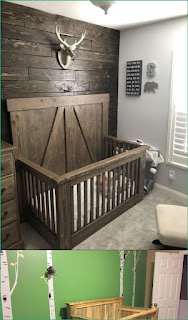
    Rustic crib woodworking plans for a charming handcrafted piece

    Building a Rustic Charm: Your Handcrafted Crib Project

    Hey there, fellow woodworkers! So, you're thinking about building a crib? That's awesome! There's something incredibly rewarding about crafting something so special for a little one. And a rustic crib? Talk about charm! This isn't your average, mass-produced piece of furniture. We're talking about a heirloom, something that will be treasured for generations. Let's dive into how you can build your own rustic masterpiece.

    Planning Your Rustic Crib Adventure

    Before you even think about touching a saw, let's get organized. This isn't just about throwing some wood together; we want a safe and beautiful crib. Safety is paramount, obviously. So, we'll be following all the relevant safety standards.

    Choosing Your Wood

    The rustic look lends itself beautifully to a variety of woods. Think about the feel you want: Pine offers a classic, slightly softer look and is relatively easy to work with. Reclaimed wood adds incredible character and a unique story to your piece. Oak offers durability and a richer, more substantial feel. Just remember to thoroughly check your wood for splinters, knots, and any potential hazards before you start.

    Design Decisions: Size and Style

    Standard crib dimensions are a good place to start, but don't be afraid to tweak them slightly based on your design vision. Consider the overall style â€" do you want a more minimalist look, or something with lots of decorative elements? Think about the height of the rails, the spacing between slats, and the overall aesthetic. Sketch it out! Get those creative juices flowing. A quick drawing can save you headaches later.

    Gathering Your Tools and Materials

    This is where things get exciting (and maybe a little overwhelming). Make sure you have all the necessary tools before you begin. Here's a basic list:

    • Measuring tape and square
    • Saw (circular saw, jigsaw, hand saw - depending on your comfort level and the type of wood)
    • Drill and various drill bits
    • Screws (wood screws, appropriate size and length)
    • Sandpaper (various grits)
    • Wood glue
    • Clamps
    • Safety glasses and hearing protection (seriously, don't skip this!)
    • Wood finish (stain, paint, sealant â€" choose what fits your rustic style)
    • Your chosen wood (remember to account for cuts and waste)

    Construction: Bringing Your Vision to Life

    Now for the fun part! The actual building process. This is where things get a bit more detailed, and I highly recommend finding detailed plans online or in woodworking books that specifically address crib construction. Remember, safety first! Don't rush this process; precision is key.

    Building the Frame

    Start with the crib's frame. This will typically involve constructing the headboard, footboard, and side rails. Ensure the joints are strong and secure. Use wood glue and screws for a robust connection. Pre-drilling pilot holes will prevent the wood from splitting.

    Adding the Slats

    The slats are crucial for both safety and aesthetics. Ensure the spacing between slats meets safety regulations (usually around 2 3/8 inches). The slats should be securely fastened to the frame, again using wood glue and screws. Make sure they're strong enough to withstand some serious bouncing!

    Attaching the Rails

    The side rails are probably the most important safety feature. They need to be sturdy and securely attached. Consider using adjustable rails to accommodate your child's growth. Many plans incorporate a drop-side mechanism; however, you need to research thoroughly and follow precise instructions to ensure it meets the latest safety standards.

    Finishing Touches

    Once the crib is assembled, it's time for the finishing touches. Sand everything down thoroughly to remove any rough edges or splinters. Apply your chosen finish â€" a rustic stain, paint, or sealant â€" to protect the wood and give it that beautiful, aged look. Remember to let the finish dry completely before assembling any hardware. You might want to add decorative elements, like rustic knobs or metal accents, to complete the look.

    Safety First! Crib Safety Standards

    This is the most critical part. Always, always, always prioritize safety. Before you even start, research the current crib safety standards in your region. These standards cover things like slat spacing, mattress support, and the strength of the frame. Don't skimp on safety. A poorly constructed crib can be dangerous.

    Showcasing Your Rustic Crib Masterpiece

    Once your crib is complete, take a moment to admire your work! You've created something truly special â€" a beautiful, handcrafted crib that reflects your skill and love. Take plenty of pictures and share them with your friends and family. You might even consider entering it into a local craft fair â€" who knows, you might be the next big thing in rustic crib making!

    Frequently Asked Questions

    I know building a crib can raise a lot of questions. Here are a few of the most common ones:

    Q: How long does it take to build a rustic crib?

    A: This depends entirely on your experience level and the complexity of the design. Expect to spend anywhere from a weekend to several weeks, especially if you're a beginner.

    Q: Can I use reclaimed wood for my crib?

    A: Yes, you can, but make absolutely sure the wood is clean, free of toxins, and structurally sound. Reclaimed wood can contain old nails, screws, or other hazards. Thoroughly inspect and prepare the wood before using it.

    Q: Are there plans available online?

    A: Absolutely! There are many free and paid crib plans available online and in woodworking books. Just make sure you choose plans that meet current safety standards.

    Q: What type of finish is best for a rustic crib?

    A: A non-toxic, child-safe finish is essential. Many natural oil-based finishes are suitable, or you can use a high-quality, non-toxic paint. Always check the product label to ensure it's safe for children's furniture.

    Q: Do I need to get my crib inspected?

    A: While not always legally mandated, it's always a good idea to have your finished crib inspected by a qualified professional to ensure it meets all safety standards. Peace of mind is priceless.

    Happy building, and remember to always prioritize safety! Your little one will cherish this handcrafted piece for years to come. Good luck, and let me know if you have any other questions!

    Friday, January 17, 2025

    Beginner Woodworking Projects That Earn Money

    Beginner Woodworking Projects That Earn Money

    So, you're bitten by the woodworking bug, and you're looking to turn your newfound passion into profit? That's fantastic! Woodworking offers a rewarding blend of creativity and craftsmanship, and with the right approach, you can easily monetize your skills, even as a beginner. This article outlines simple, marketable projects that require minimal tools and experience, allowing you to build your woodworking business from the ground up.

    Starting Small: Low-Effort, High-Reward Projects

    Don't feel pressured to tackle complex furniture pieces right away. Begin with smaller projects that are quick to produce, easy to sell, and require only basic tools like a saw, sandpaper, and wood glue. This approach allows you to gain experience, build confidence, and generate early income to reinvest in your woodworking journey. Focus on items with high demand and a relatively simple design. You’ll quickly discover a rhythm and build up your skills efficiently.

    Simple Coasters

    Coasters are a perfect entry point. They require minimal materialsâ€"small squares of attractive wood (like cherry, walnut, or maple), a finish (polyurethane or a food-safe oil), and felt pads for the bottom. You can easily create a variety of designs using different woods or by adding simple embellishments like burning or etching. Sell them individually or in sets of four, targeting local cafes, gift shops, or online marketplaces. The low cost of materials and quick production time mean high profit margins.

    Wooden Keychains

    Personalized keychains are another fantastic option. Use scraps of wood to create small, uniquely shaped keychains. You can personalize them with laser engraving, hand-painted designs, or even simple wood burning. These make great gifts and can be sold individually or bundled together for higher value. Marketing through social media and local craft fairs is an excellent way to reach potential customers.

    Small Serving Trays

    Small serving trays offer a step up in complexity but remain relatively straightforward to make. Choose a wood like pine or birch for affordability. Simple designs, like a rectangular or square shape with slightly raised edges, are ideal. Finish with a food-safe oil or varnish. Focus on clean lines and a polished finish. These are perfect for weddings, housewarmings, or as everyday kitchen items.

    Building Your Business: Tips for Success

    Creating beautiful items is only half the battle. Successfully selling your woodworking creations requires smart marketing and a professional approach.

    Marketing Your Products

    Utilize a multi-pronged marketing strategy:

    • Online Marketplaces: Etsy, eBay, and Facebook Marketplace offer vast audiences.
    • Social Media: Instagram and Pinterest are visually driven platforms ideal for showcasing your work.
    • Local Craft Fairs and Markets: Direct interaction with potential customers builds relationships and allows for immediate sales.
    • Word-of-Mouth: Encourage satisfied customers to spread the word.

    Pricing Your Work

    Accurately pricing your products is crucial for profitability. Factor in the cost of materials, your labor time, and desired profit margin. Research comparable products to determine competitive pricing.

    Continuously Improve

    Don't stop learning! Woodworking is a skill that constantly evolves. Take online courses, watch videos, and experiment with new techniques and designs to enhance your craftsmanship and expand your product offerings. This continuous improvement will keep your work fresh and appealing, ensuring your success in the long run.

    Uncover the Best DIY Wooden Bread Box Ideas for Any Kitchen

    Uncovering the Best DIY Wooden Bread Box Ideas for Any Kitchen

    The humble bread box, once a staple in kitchens worldwide, is experiencing a resurgence. No longer relegated to the realm of antiquated kitchenware, the bread box provides both practical storage and a charming aesthetic touch. While commercially available options abound, crafting your own wooden bread box offers a uniquely rewarding experience, allowing for customization to perfectly complement your kitchen's style and personality. This comprehensive guide explores diverse DIY wooden bread box ideas, providing inspiration and practical guidance for aspiring woodworkers of all skill levels.

    Choosing Your Bread Box Design: Form and Function

    The initial stage involves selecting a design that aligns with your woodworking skills and desired aesthetic. Consider the following factors:

    Size and Capacity:

    Determine the appropriate size based on your bread consumption. A smaller box suffices for a single household, while larger families may require a more substantial design. Account for the size of loaves you typically purchase and leave sufficient space to prevent crushing.

    Style and Aesthetics:

    The style of your bread box should complement your kitchen's overall design. Options range from rustic farmhouse styles using reclaimed wood to sleek, modern designs incorporating clean lines and minimalist aesthetics. Consider integrating elements such as decorative carvings, metallic hardware, or a stained finish to enhance the visual appeal.

    Construction Method:

    The complexity of the construction method should be commensurate with your woodworking experience. Beginner-friendly designs utilize simple joinery techniques, such as rabbet joints or butt joints, while more advanced projects might incorporate dovetail joints or intricate mortise and tenon connections. The choice of joinery significantly impacts both the aesthetic and structural integrity of the finished product.

    Materials Selection: The Foundation of Your Bread Box

    The selection of wood significantly impacts the final product's durability, appearance, and overall cost. Consider the following factors:

    Wood Type:

    Numerous wood types are suitable for bread box construction. Hardwoods such as oak, cherry, maple, and walnut offer exceptional durability and resistance to wear and tear. They also possess unique grain patterns and colors that contribute to the bread box's visual appeal. Softwoods such as pine and cedar provide a more budget-friendly alternative, but they may require additional protection against moisture and scratches. Reclaimed wood offers a unique character and sustainability benefits.

    Wood Treatment:

    Proper wood treatment is crucial for ensuring the longevity of your bread box. Sanding is essential to create a smooth surface and prevent splinters. Apply a food-safe finish, such as mineral oil, beeswax, or a food-safe varnish or lacquer, to protect the wood from moisture and prevent the absorption of odors. Avoid using finishes containing harmful chemicals that could contaminate the bread.

    DIY Bread Box Designs: A Diverse Collection of Ideas

    Numerous DIY bread box designs cater to various skill levels and aesthetics. Here are some examples:

    The Simple Box Design:

    This design is ideal for beginners. It involves constructing a simple rectangular box with a hinged lid. Basic joinery techniques, such as butt joints reinforced with wood glue and screws, are sufficient. The simplicity allows for rapid construction and easy customization with paint, stain, or decorative elements.

    The Shaker-Style Bread Box:

    This design embodies the minimalist aesthetic of Shaker craftsmanship. Clean lines, simple joinery, and a lack of ornamentation are characteristic features. The use of natural wood finishes highlights the wood's grain and texture. The focus is on functionality and understated elegance.

    The Farmhouse-Style Bread Box:

    This design embraces a rustic and charming aesthetic. Reclaimed wood, distressed finishes, and decorative hardware contribute to the overall look. Consider incorporating elements such as metal handles, hinges, or latches to enhance the farmhouse feel. The design often features a slightly more substantial build, reflecting traditional bread box designs.

    The Modern Minimalist Bread Box:

    This design emphasizes clean lines and a streamlined aesthetic. The use of smooth, unblemished wood, combined with a simple, functional design, creates a contemporary feel. Hardware is often minimal or hidden, allowing the natural beauty of the wood to take center stage. Consider using a sleek, modern finish like a clear lacquer.

    The Decorative Carved Bread Box:

    This design incorporates decorative carvings to enhance the visual appeal. The carvings can range from simple geometric patterns to more intricate floral or wildlife designs. This option requires more advanced woodworking skills, but the resulting piece will be a unique and eye-catching addition to any kitchen. Ensure the carvings are smoothly finished to prevent splinters and ensure food safety.

    Essential Tools and Supplies

    Gathering the necessary tools and supplies beforehand streamlines the woodworking process. The specific requirements will vary depending on the chosen design and complexity, but generally include:

  • Wood (select appropriate type and quantity based on design)
  • Wood glue
  • Screws or nails (depending on joinery method)
  • Measuring tape and pencil
  • Saw (hand saw, circular saw, or jigsaw)
  • Sandpaper (various grits)
  • Clamps
  • Wood finish (food-safe)
  • Hinges
  • Optional: Router, chisels, decorative hardware
  • Step-by-Step Guide (Simplified Example): The Simple Box Design

    This outlines a basic approach. Detailed instructions will vary depending on your specific design.

    1. Cut the wood: Cut the wood pieces to the required dimensions for the box sides, bottom, and lid.
    2. Assemble the box: Apply wood glue to the edges and join the sides to the bottom. Reinforce the joints with screws or nails.
    3. Attach the lid: Attach hinges to the box and lid, ensuring proper alignment.
    4. Sand the surfaces: Sand all surfaces smooth using various grits of sandpaper.
    5. Apply the finish: Apply a food-safe finish according to the manufacturer's instructions. Allow ample drying time between coats.

    Conclusion: Embark on Your DIY Bread Box Journey

    Crafting your own wooden bread box presents a rewarding opportunity to personalize your kitchen and enhance its functionality. By carefully selecting a design, materials, and techniques, you can create a beautiful and practical piece that reflects your individual style and woodworking skills. Remember to prioritize safety, utilize proper tools, and enjoy the creative process. The result will be a cherished addition to your kitchen, showcasing your craftsmanship and providing a delightful storage solution for your freshly baked bread.

    DIY Wooden Bread Box Ideas for Every Style and Budget

    DIY Wooden Bread Box Ideas for Every Style and Budget

    The humble bread box, once a staple in every kitchen, is experiencing a resurgence in popularity. No longer relegated to the realm of practicality alone, the bread box is now considered a stylish addition to the modern home, capable of enhancing both functionality and aesthetics. This article explores diverse DIY wooden bread box designs, catering to various skill levels and budgetary constraints, empowering you to craft a bespoke piece that reflects your personal style.

    Assessing Your Needs and Resources

    Before embarking on your DIY bread box journey, a careful assessment of your needs and resources is crucial. Consider the following:

    Size and Capacity:

    Determine the appropriate size based on your bread consumption. A smaller household may suffice with a compact box, while larger families may require a more substantial design. Consider not only loaf size but also the frequency of baking and purchasing bread.

    Style and Aesthetics:

    The style of your bread box should complement your existing kitchen décor. From rustic farmhouse charm to sleek minimalist designs, the possibilities are extensive. Consider the dominant colours and materials in your kitchen to ensure a harmonious integration.

    Budget and Materials:

    Establish a realistic budget before sourcing materials. Wood type significantly impacts cost, with readily available softwoods being more affordable than hardwoods. Consider the cost of tools, hardware, and finishing materials as well. Recycling and repurposing existing wood can significantly reduce expenses.

    Skill Level and Time Commitment:

    Honest self-assessment of your woodworking skills is essential. Beginners may opt for simpler designs, whereas experienced woodworkers can tackle more intricate projects. Factor in the time commitment, acknowledging that complex designs will require more time and effort.

    Simple and Economical Designs for Beginners

    For novice woodworkers or those operating on a tight budget, these designs offer excellent starting points:

    The Classic Crate Bread Box:

    This straightforward design utilizes readily available wooden crates. Simply sand the crate to a smooth finish, apply a protective sealant (such as varnish or beeswax), and add ventilation holes as needed. Consider personalizing it with paint, decoupage, or stenciling.

  • Materials: Wooden crate, sandpaper, sealant, paint/stain (optional).
  • Tools: Sandpaper, brushes, sealant applicator.
  • Difficulty: Very Easy
  • The Simple Box Joint Bread Box:

    This design involves creating a simple box using basic joinery techniques. Cut the wood pieces to size, carefully assemble using wood glue and screws (for added strength), and sand the exterior. This design allows for customization in size and finish.

  • Materials: Wooden planks (pine or fir are affordable options), wood glue, screws, sandpaper, sealant.
  • Tools: Measuring tape, saw (hand saw or circular saw), drill, screwdriver, sandpaper, brushes, sealant applicator.
  • Difficulty: Easy
  • Intermediate Projects: Enhancing Design and Functionality

    Once you've gained some woodworking experience, you can explore more advanced designs:

    The Sliding Lid Bread Box:

    This design incorporates a sliding lid for easy access to your bread. This necessitates precise cuts and careful assembly to ensure smooth operation. Consider using dovetail or rabbet joints for added strength and visual appeal.

  • Materials: Hardwood (for durability), wood glue, screws, hinges, sandpaper, sealant, sliding mechanism (optional).
  • Tools: Measuring tape, saw (hand saw or circular saw), chisel (for advanced joinery), drill, screwdriver, sandpaper, brushes, sealant applicator.
  • Difficulty: Intermediate
  • The Bread Box with a Cutting Board Top:

    Combine functionality and practicality by incorporating a cutting board on top of the bread box. This requires careful planning to ensure the cutting board is securely attached yet removable for cleaning. Consider using a contrasting wood type for the cutting board to add visual interest.

  • Materials: Wooden planks (different wood types for box and cutting board), wood glue, screws, hinges (for removable cutting board), sandpaper, sealant, butcher block oil (for cutting board).
  • Tools: Measuring tape, saw (hand saw or circular saw), drill, screwdriver, router (optional, for creating a lip for the cutting board), sandpaper, brushes, sealant applicator.
  • Difficulty: Intermediate
  • Advanced Bread Box Designs for Experienced Woodworkers

    For seasoned woodworkers seeking a challenging project, these designs present opportunities for showcasing skills:

    The Intricately Carved Bread Box:

    This design involves intricate carving on the exterior of the bread box, creating a unique and visually stunning piece. This necessitates advanced carving skills and specialized tools. Consider using a hardwood that holds detail well.

  • Materials: Hardwood (suitable for carving), carving tools, wood glue, sandpaper, sealant, finish (oil or varnish).
  • Tools: Variety of carving tools (gouges, chisels), sandpaper, brushes, sealant applicator.
  • Difficulty: Advanced
  • The Mission-Style Bread Box:

    This style emphasizes clean lines, simple joinery, and the natural beauty of the wood. The design often incorporates contrasting wood accents and may feature raised panels. Precise measurements and careful execution are crucial for achieving the desired aesthetic.

  • Materials: Hardwood (for strength and durability), wood glue, dowels or tenons (for joinery), sandpaper, sealant, finish (oil or varnish).
  • Tools: Measuring tape, saw (hand saw or circular saw), drill press (for accurate dowel holes), chisels (for tenon joinery), sandpaper, brushes, sealant applicator.
  • Difficulty: Advanced
  • Finishing Touches and Considerations

    Regardless of the chosen design, proper finishing is essential for both aesthetics and durability:

    Sanding: Thorough sanding is crucial for a smooth finish. Use progressively finer grit sandpaper to achieve a polished surface. Pay particular attention to edges and corners.

    Sealing: Applying a sealant protects the wood from moisture and stains. Choose a sealant appropriate for food contact. Food-safe mineral oil or beeswax are excellent choices.

    Finishing: Consider adding a final finish, such as varnish or paint, for added protection and aesthetic appeal. Choose a finish that complements your kitchen's décor and the style of your bread box.

    Ventilation: Ensure adequate ventilation to prevent mold growth. Drill small holes in the sides or bottom of the box.

    Creating a DIY wooden bread box is a rewarding experience. By carefully considering your needs, selecting an appropriate design, and following best practices, you can craft a functional and beautiful addition to your kitchen that reflects your personal style and woodworking expertise.